
Modern liposuction isn’t one technique. It’s a combination of approaches selected for the specific patient and area. Here’s what we use and why.
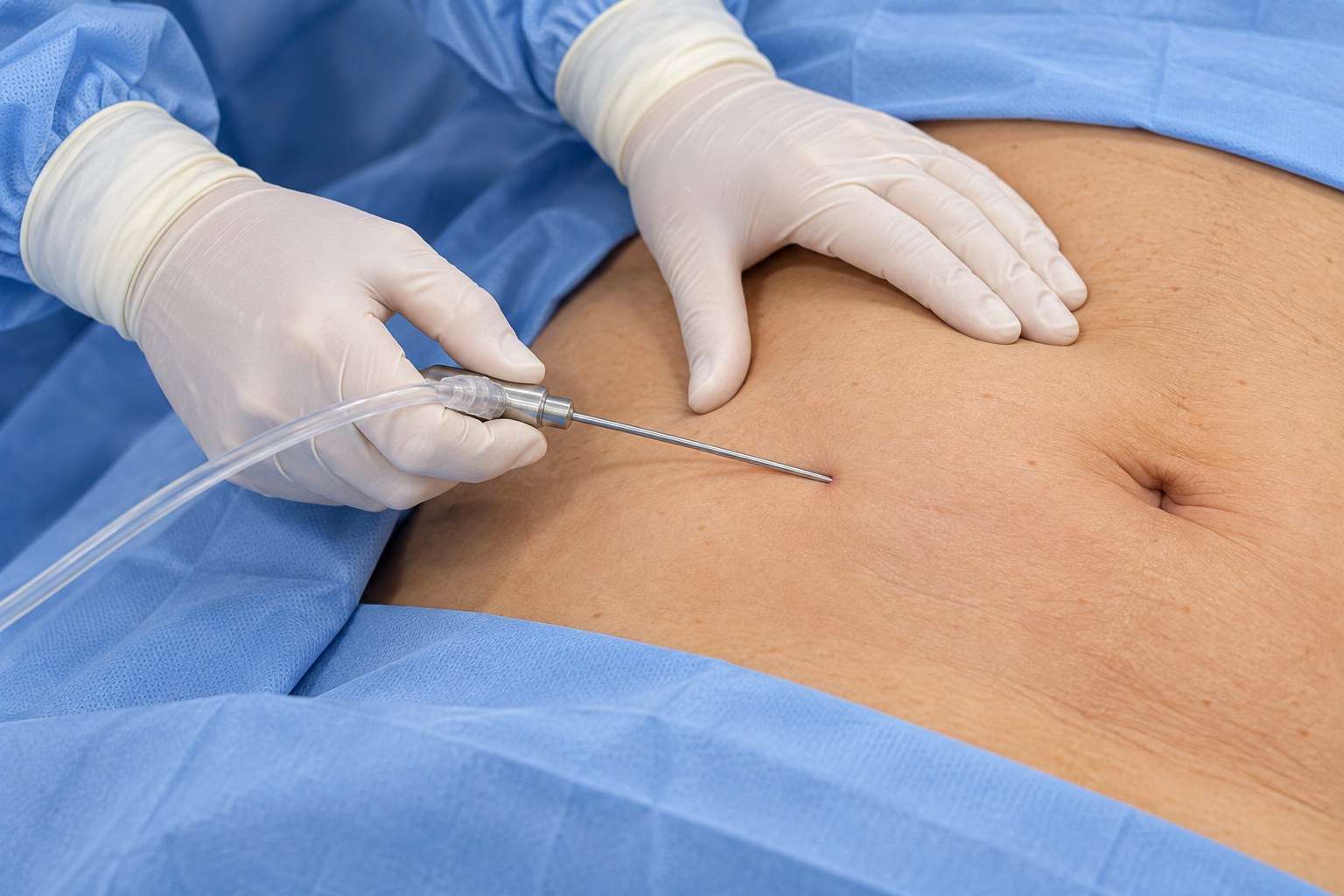
Every liposuction procedure starts with the tumescent technique. Large volumes of dilute local anaesthetic and adrenaline are infiltrated into the fat layer before any fat is removed. For cosmetic liposuction, Dr Ron mainly uses the Klein tumescent technique. For lipoedema he uses WAL, Klein tumescent, or both in the same case.
The infiltration achieves three things:
WAL uses a pulsed water jet inside the cannula to gently dislodge fat from the connective tissue and surrounding structures. The dislodged fat is suctioned out in the same motion.
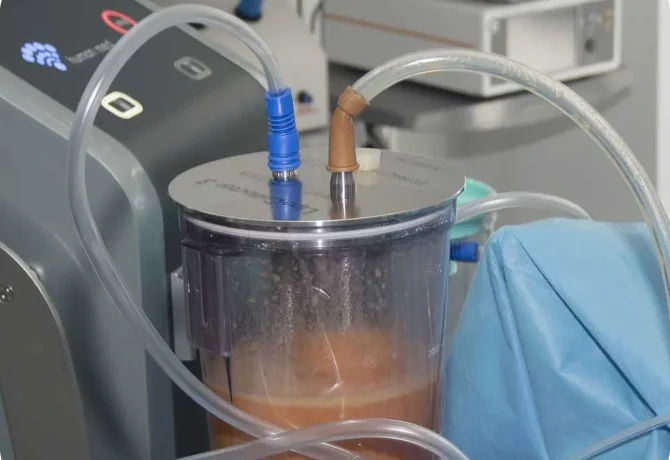
Gentler on connective tissue, blood vessels, nerves, and lymphatic channels.
Reduced bruising and swelling compared to standard liposuction.
Faster recovery in most patients.
Better preservation of fat for grafting if needed.
Particularly useful in larger-volume procedures and lipoedema treatment.
Renuvion uses helium plasma and radiofrequency energy delivered subdermally through the same incisions made for liposuction. The technology tightens connective tissue immediately and stimulates ongoing collagen production for up to 6 months.

Addresses skin laxity that liposuction alone can’t fix.
Performed in the same session through the same incisions.
Continued improvement over 6 months.
Avoids the need for surgical skin excision in some cases
Every patient is different. The technique combination is selected based on:
The technique decision is made at consultation and confirmed in your written quote. We don’t apply a single technique to every patient because patients aren’t a single type.
The laser causes thermal damage to tissue with marginal contour benefit over tumescent liposuction. Higher risk of burns and irregular contour.
Useful in specific applications but doesn’t offer enough benefit over WAL and Klein tumescent to justify the additional theatre time and equipment for most cases.
Local tumescent anaesthesia is safer and faster to recover from.
The consultation includes a discussion of which technique combination is right for your specific case. We’ll explain why we recommend what we recommend and what you can expect from it.

