


Treatment information
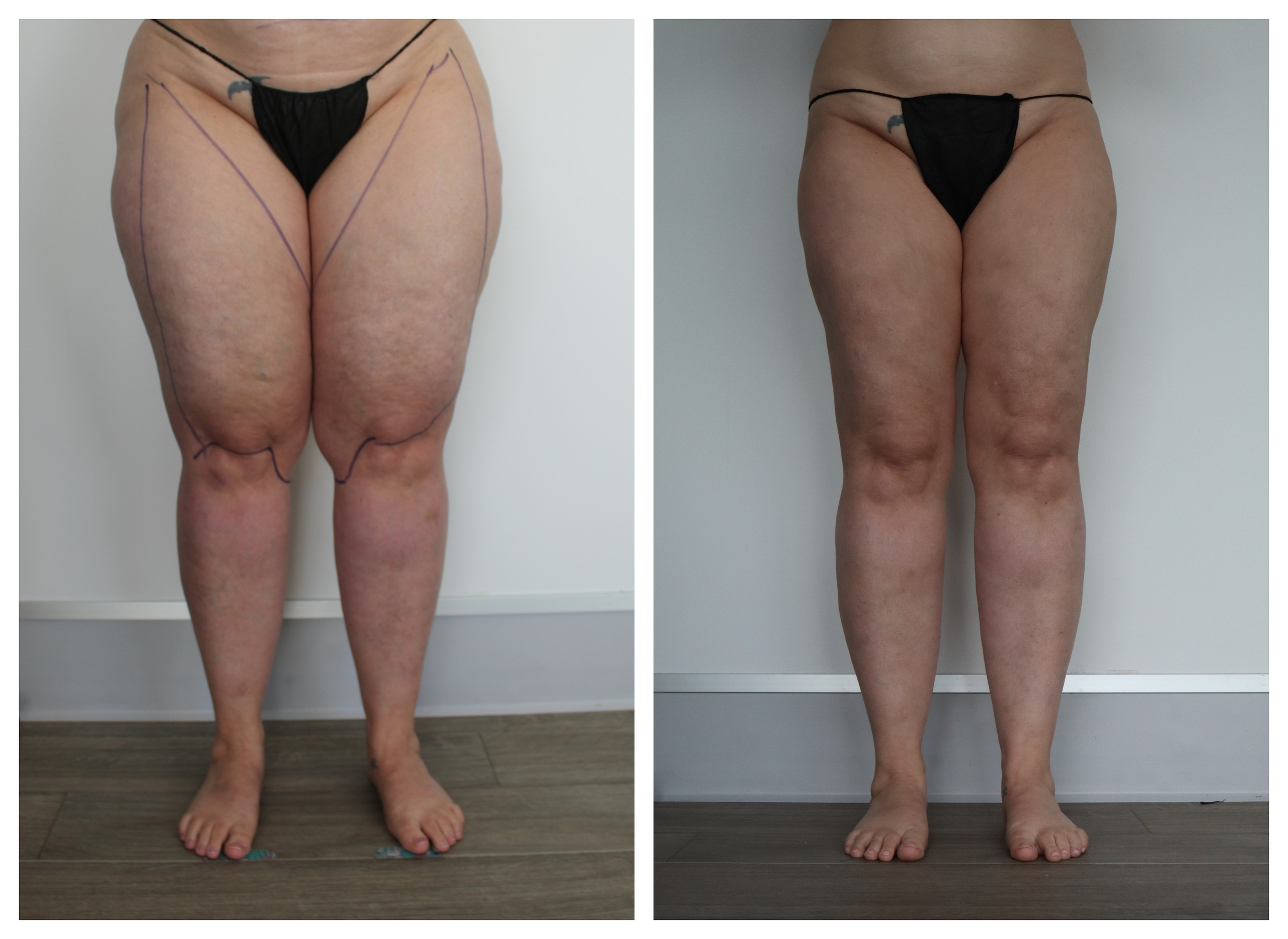
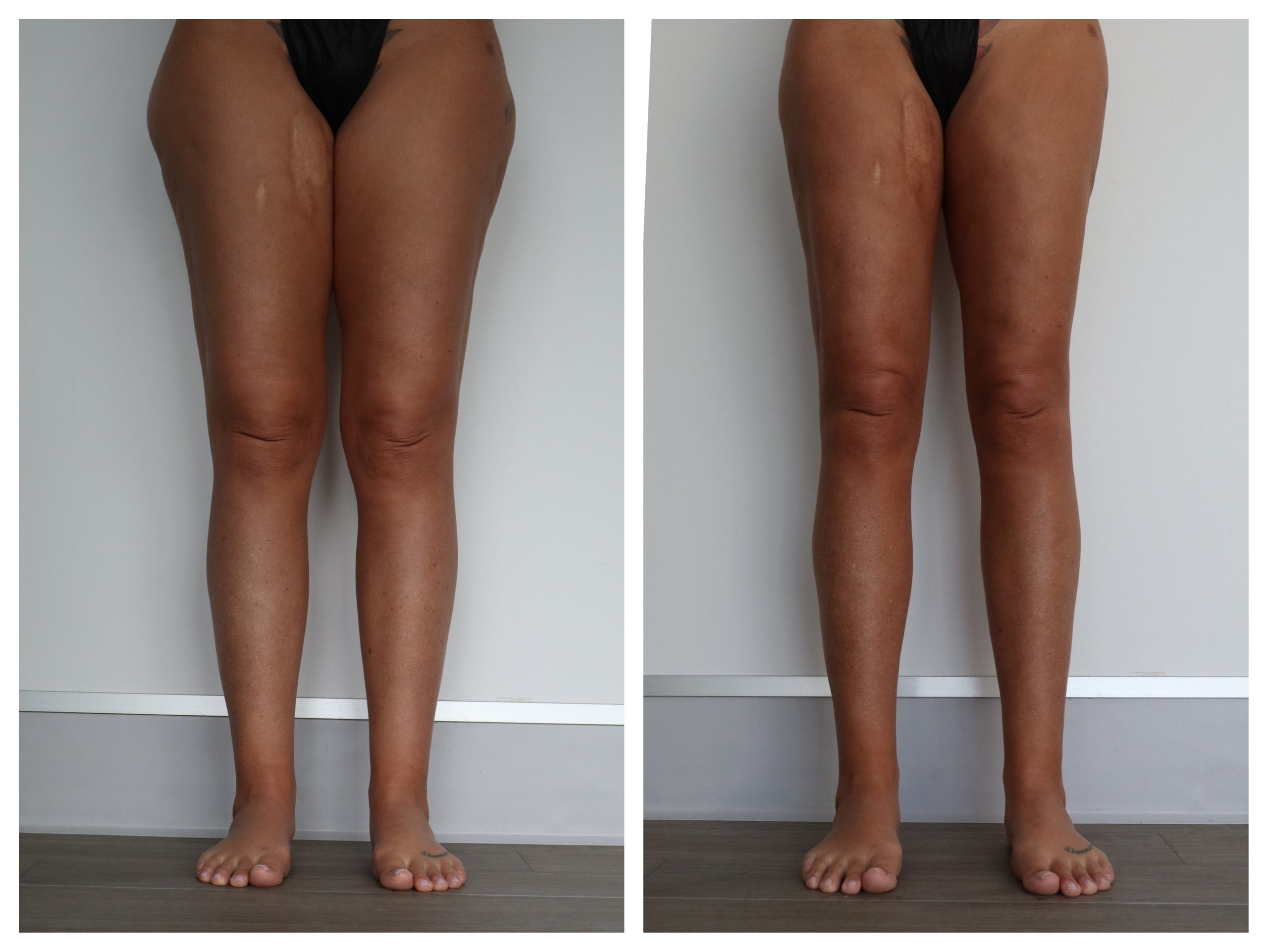
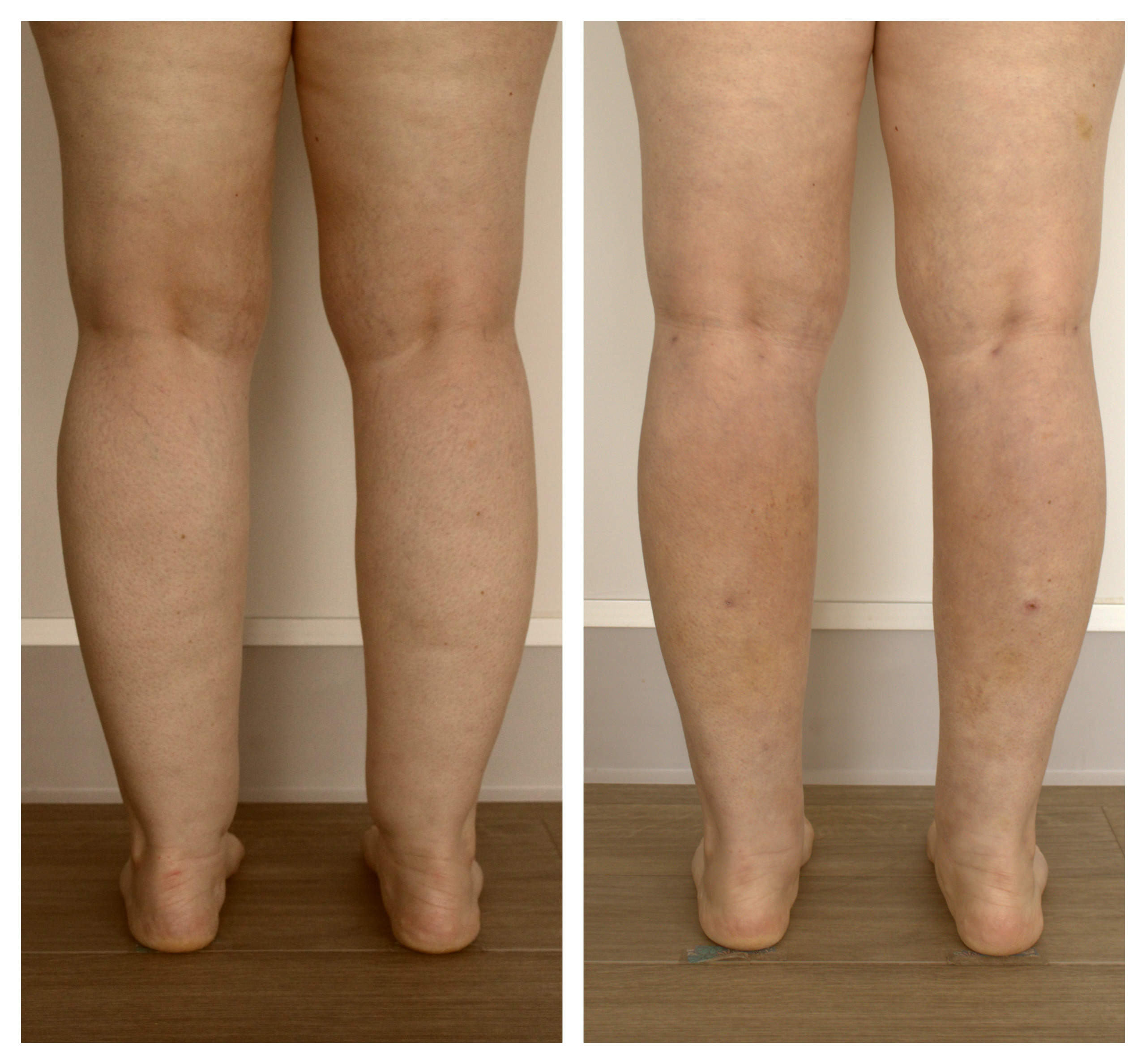
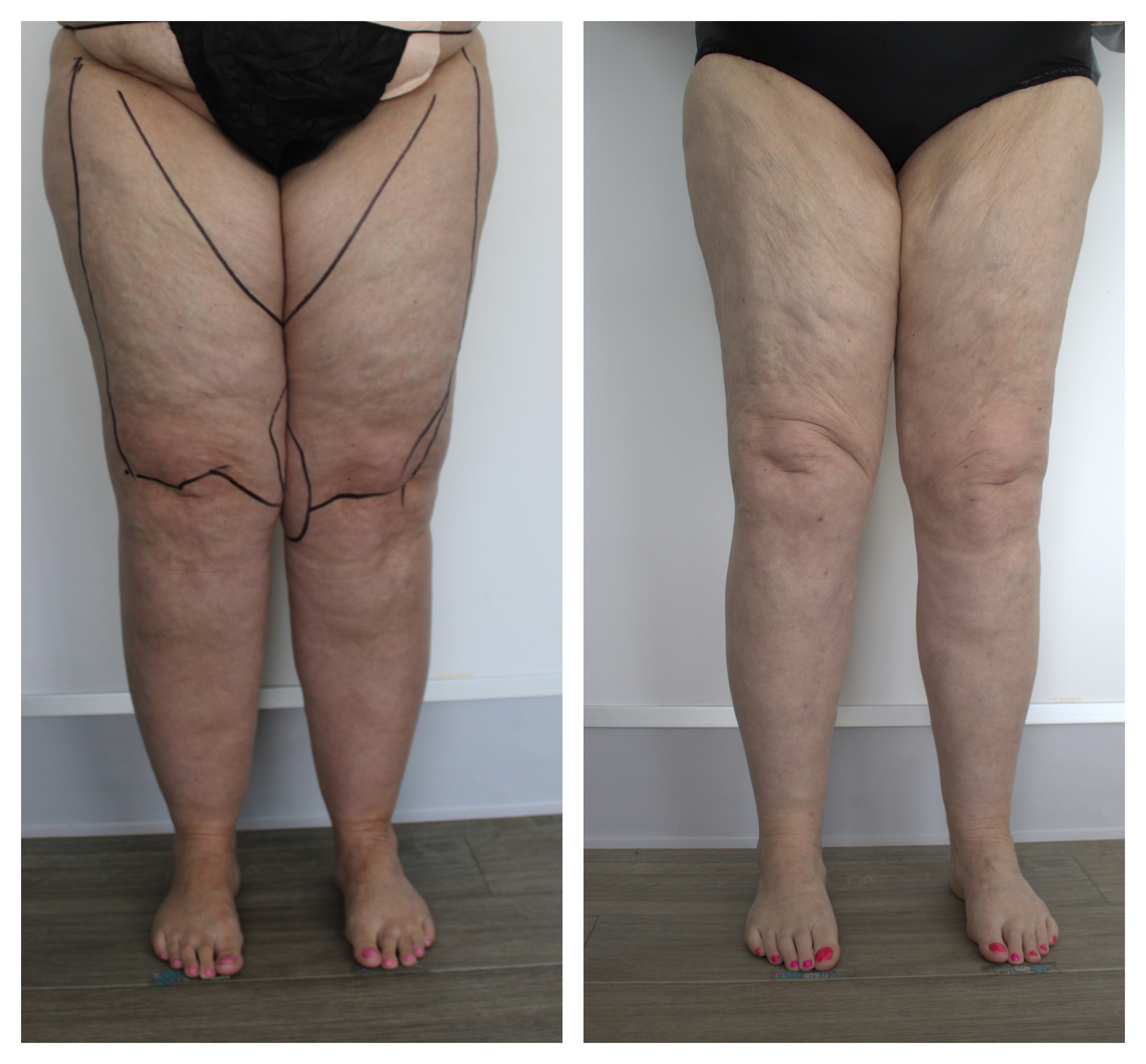
Lipoedema is a chronic condition where abnormal fat deposits accumulate disproportionately, most commonly starting at puberty in the buttock shelf area, then progressing to the thighs, then the calves and ankles, creating bilateral cuffing, which is diagnostic of lipoedema.
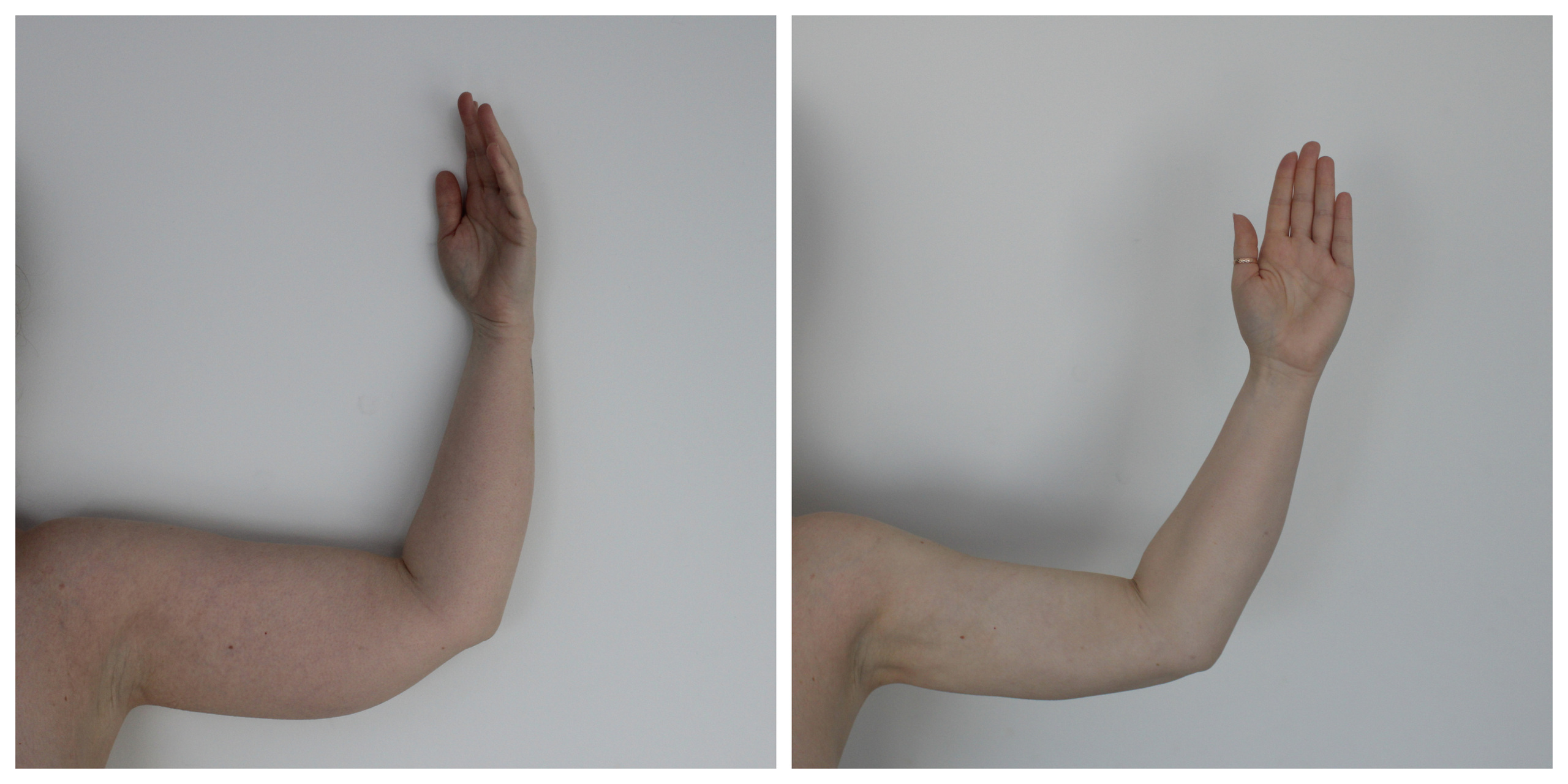
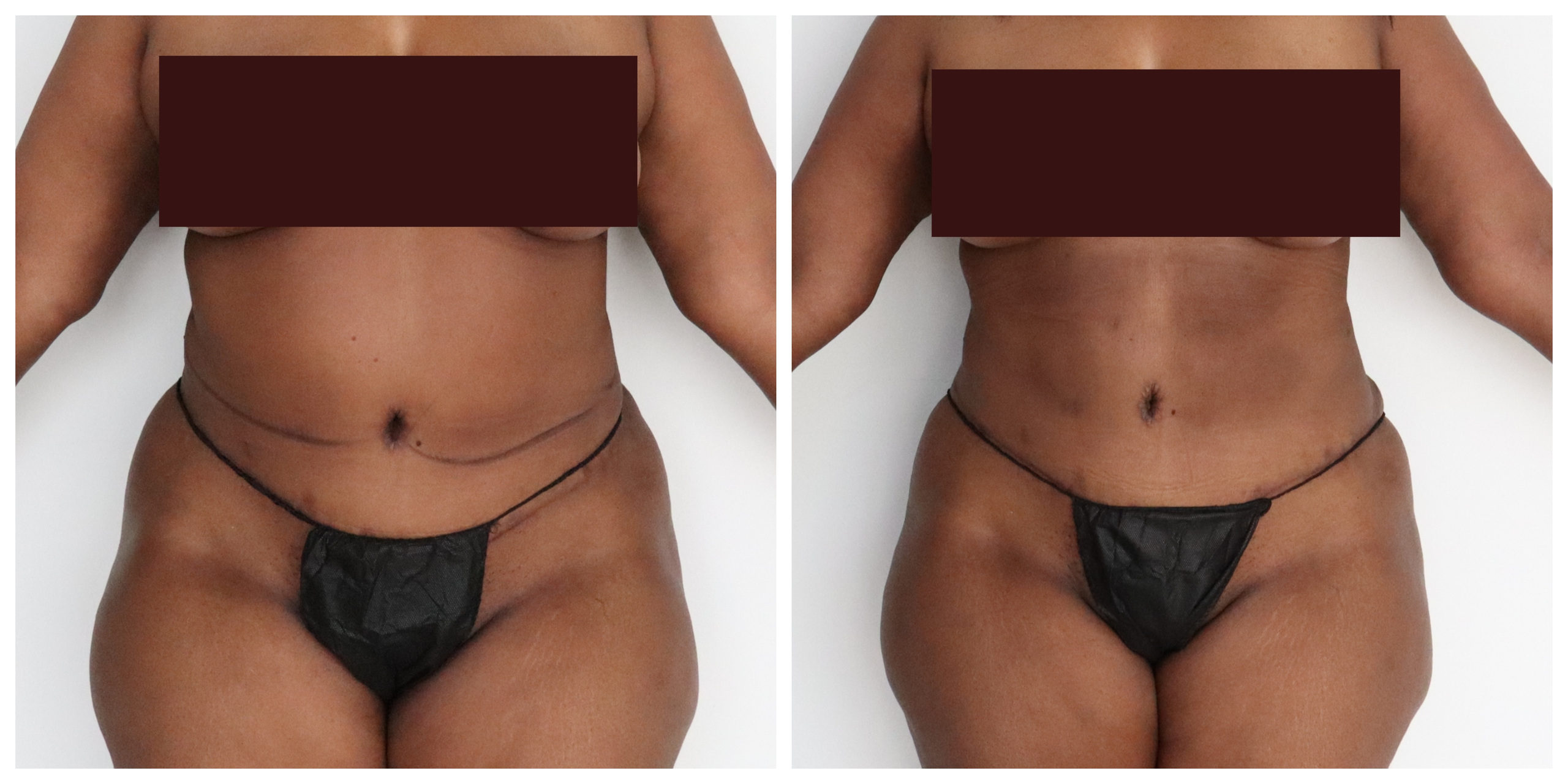
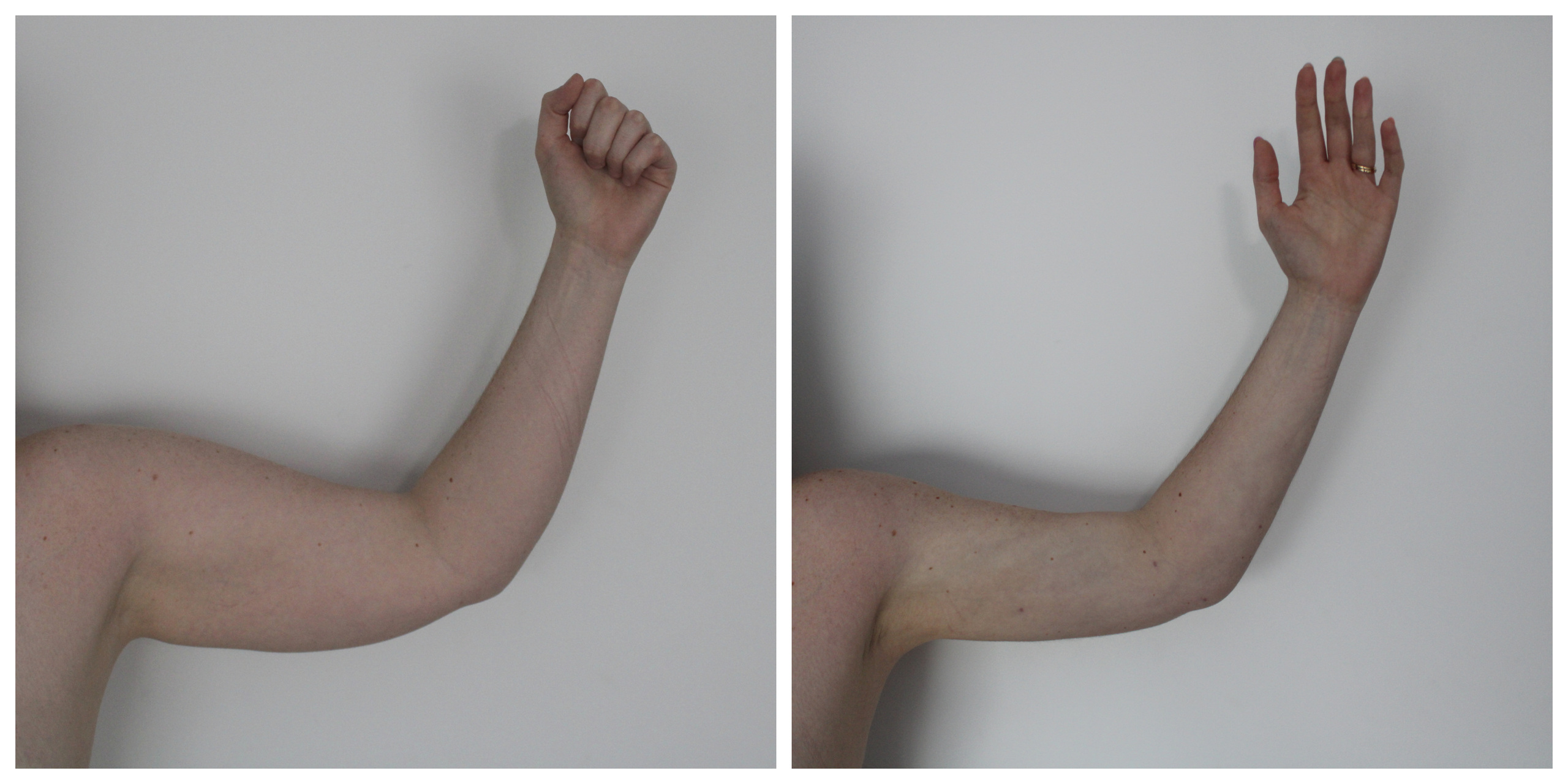
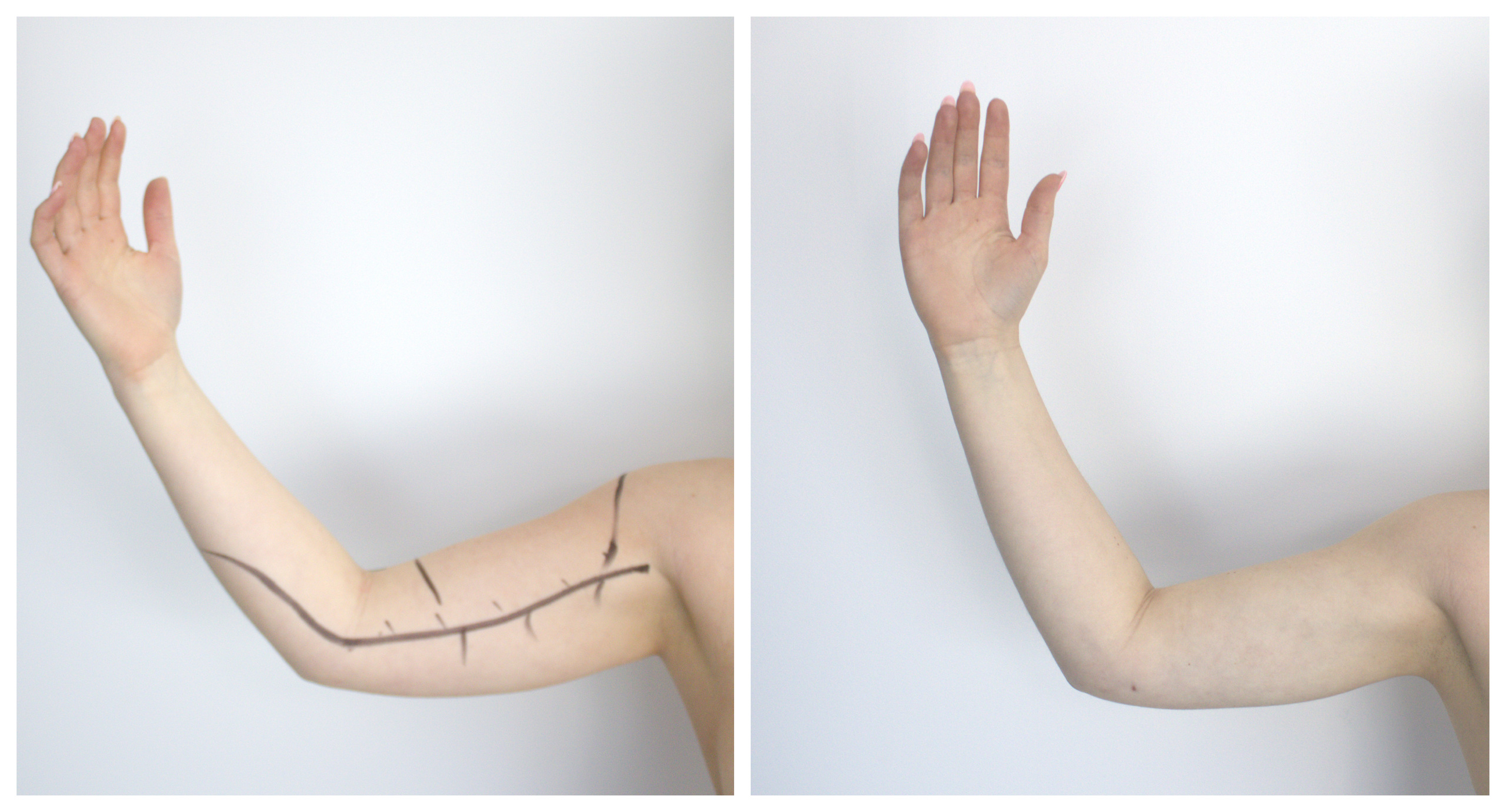
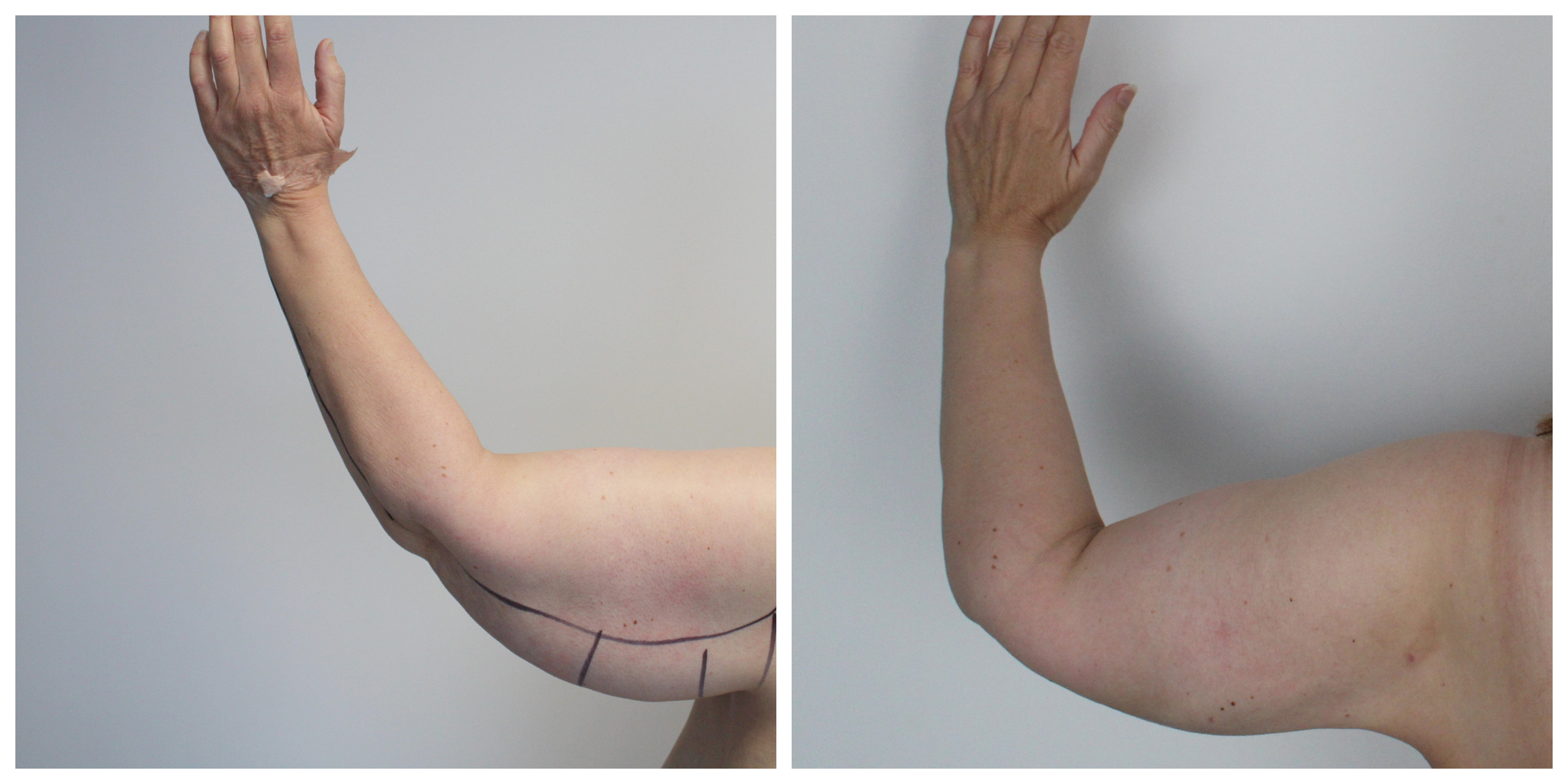
In Dr Ron’s experience, 70 to 80% of women with lipoedema also develop it in the arms. Eventually bilateral cuffing may occur in the wrists. Very occasionally the lipoedema may progress to the lower abdomen.
Lipoedema Liposuction is a specialist procedure that removes this diseased fat tissue to relieve symptoms such as pain, tenderness, and restricted mobility. Unlike standard cosmetic liposuction, this procedure is medically indicated and requires a tailored surgical approach.
During the procedure: no. You feel pressure and movement but no sharp sensation. In the first 1 to 3 days post-op: soreness similar to a hard workout, managed with paracetamol and (for larger procedures) prescribed pain relief.
Yes. We use local tumescent anaesthesia for all procedures. The treatment area is fully numb but you’re conscious throughout. Intravenous and oral sedation is used.
The incisions are 2 to 4mm and placed in natural skin creases where possible (groin folds, behind the knee, around the umbilicus, behind the earlobe, in the bikini line). They don’t need stitches. Most fade to barely visible marks by 6 to 12 months.
Return to desk work: 3 to 7 days for most procedures, up to 14 days for calves and ankles. Compression garment for 4 to 6 weeks. Gym from week 2. Full final result at 3 to 6 months.
Age itself isn’t a barrier. Skin elasticity and general health matter more than chronological age. Older patients often benefit from Renuvion added to the liposuction to address skin laxity.

